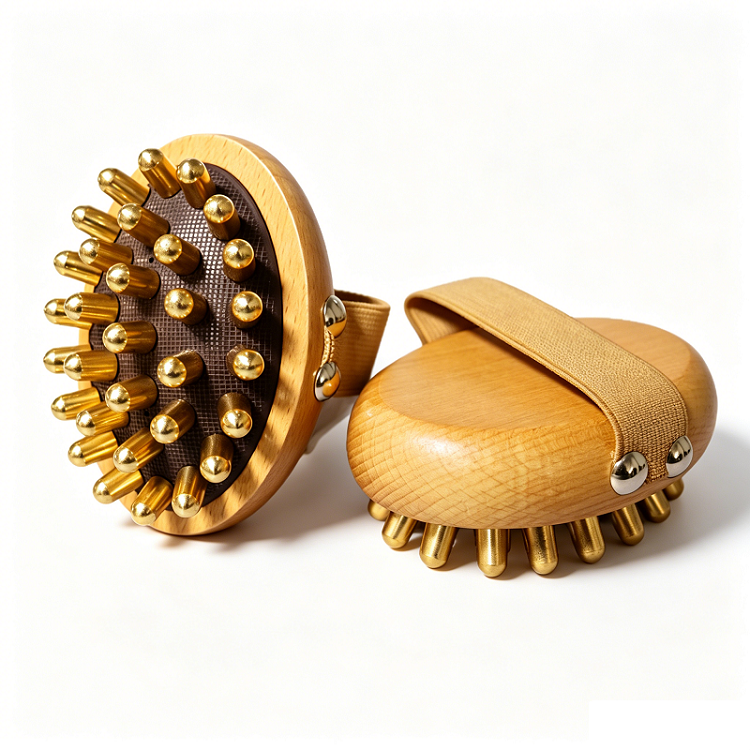
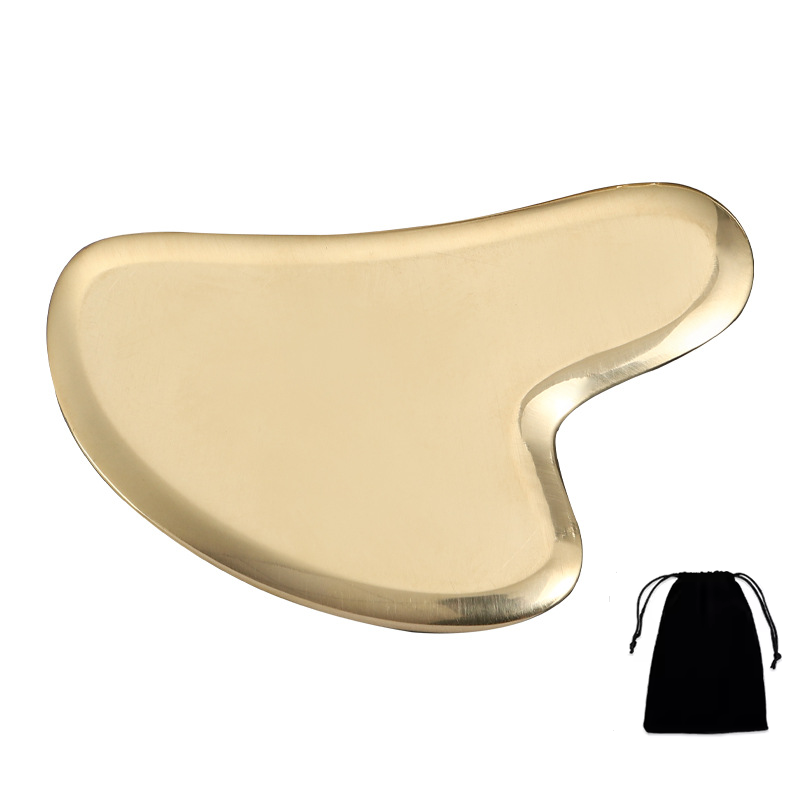
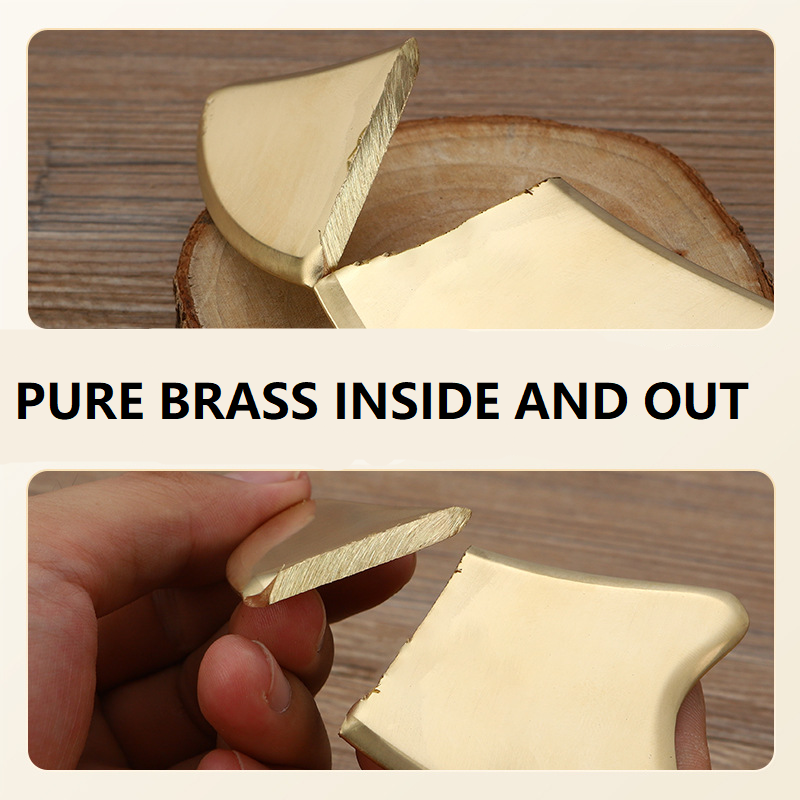
Why Brass Massage Tools Outlast and Outperform Horn Alternatives
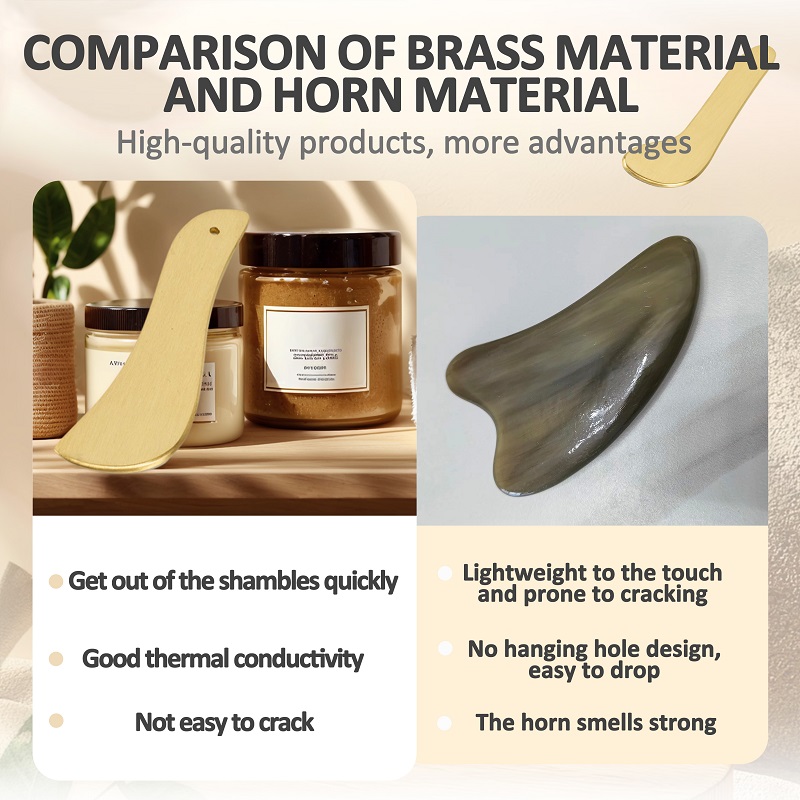
A Comparative Analysis: Brass vs. Horn in Massage and Gua Sha Tools
When it comes to choosing massage or gua sha tools, the material plays a crucial role in determining durability, functionality, and user experience. Two popular options—brass and horn (often ox or water buffalo horn)—each have distinct characteristics that cater to different preferences. While both can be effective, brass tools generally offer superior practicality, longevity, and comfort compared to their horn counterparts. Below is a detailed comparison of the two materials, highlighting their strengths and weaknesses.
1. Durability and Resistance to Damage
One of the most significant advantages of brass is its exceptional durability. Brass is a metal alloy (primarily copper and zinc) known for its strength and resistance to wear. Unlike organic materials, brass does not degrade over time with proper care, making it a long-lasting investment. It is also highly resistant to cracking or breaking, even with frequent use or accidental drops. This resilience ensures that brass tools maintain their structural integrity for years, providing consistent performance.
In contrast, horn—while natural and aesthetically pleasing—is inherently more fragile. Horn is an organic material that can easily crack or split under pressure, especially if dropped or exposed to extreme temperature changes. Over time, repeated use may lead to micro-fractures, compromising the tool’s effectiveness and safety. For users who prioritize longevity and minimal maintenance, brass is the clear winner in terms of durability.
2. Heat Conductivity and Therapeutic Benefits
Brass has excellent heat conductivity, meaning it can quickly absorb and distribute warmth. This property is particularly beneficial for massage and gua sha techniques, as slightly heated brass tools can enhance blood circulation and relaxation. The ability to retain and transfer heat makes brass tools versatile, allowing for both cool and warm applications depending on user preference.
Horn, on the other hand, has poor heat retention. While some users appreciate the natural coolness of horn during massages, it does not offer the same therapeutic advantages as a material that can be easily warmed. Additionally, horn does not conduct heat as efficiently, limiting its adaptability in different massage styles.
3. Weight and Ergonomics
Horn tools are lightweight, which some users prefer for ease of handling. However, this lightness can also make them feel less substantial, potentially reducing the pressure applied during deep tissue massages.
Brass, being a metal, is denser and heavier, providing a more grounded feel during use. The weight of brass tools can be advantageous for applying consistent pressure without excessive muscle strain. Some users may initially find brass slightly heavier, but many adjust quickly and appreciate the added stability it offers.
4. Design and Practicality
Many high-quality brass massage tools are designed with functional features such as hanging holes, making them easy to store and preventing accidental drops. This thoughtful design enhances usability and ensures the tool remains securely in place when not in use.
Horn tools, however, often lack ergonomic enhancements like hanging holes, increasing the risk of misplacement or damage if dropped. Additionally, horn naturally has a distinct, sometimes strong odor that can be off-putting for sensitive users. While this smell may fade slightly over time, it remains a notable drawback compared to the neutral scent of brass.
5. Maintenance and Hygiene
Brass is relatively low-maintenance. With proper cleaning (usually with mild soap and water), it remains hygienic and resistant to bacterial buildup. Over time, brass may develop a natural patina, which some users find adds character to the tool.
Horn requires more careful handling to prevent drying out or cracking. It may need occasional oiling to maintain its flexibility, and its porous nature can make it slightly more prone to harboring bacteria if not cleaned thoroughly.
Conclusion
While both brass and horn have their merits, brass massage and gua sha tools stand out for their durability, heat conductivity, and practical design. They are less prone to damage, offer enhanced therapeutic benefits, and are easier to maintain. Horn tools, though lightweight and natural, are more fragile, lack ergonomic features, and may have an unpleasant odor. Ultimately, the choice depends on personal preference, but for those seeking a long-lasting, efficient, and low-maintenance option, brass is the superior material.
Customizable Brass Massage and Gua Sha Tools
The Magic of Pure Brass: Scraping Out Deep Black Sha
Related Article